Monday, May 29, 2017

Pyrs in History

Holiday Post:  Memorial Day

Agile Beau
Memorial day is for remembering people who died while serving in the country's armed forces and it's typically a day that "kicks off" the summer months.  Observed every year on the last Monday of May, according to Wiki the original holiday was called "Decoration Day" after the war in 1868 known as the American Civil War.

Did you know that Great Pyrenees had their historical place in war?

According to The United States War Dogs Association, Inc. dogs were used in World War I and World War II by the French as messengers, ambulance work, and to carry artillery (and contraband) through the mountains between France and Spain.  Chaz (2013) writes that the French had 250 dogs for use at the beginning of World War I which were trained in a special training facilities.

Saturday, May 27, 2017

From Foster Family to Adoptive Family

Grover's Story:
Part 2: Merissa and Richard

Today we continue with the story of how Grover came to the Northwest along his journey to his forever family.  If you would like to revisit "Part 1: Rescued" click here and you'll be taken to the From Foster Family to Adoptive Family label page to read both parts.

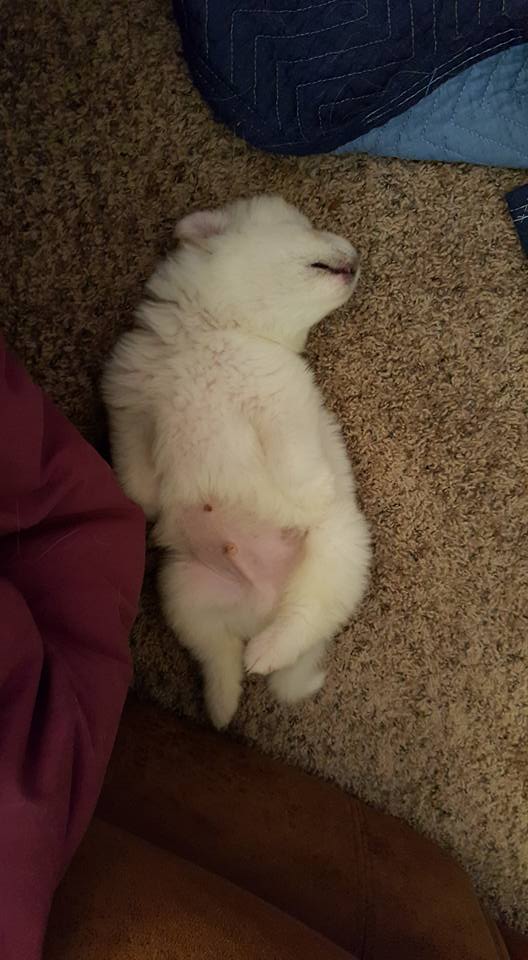
Grover nap
Once in the Northwest, lucky Grover was about to meet his foster family for the first time.  Richard and Merissa are a husband and wife team who learned about GPRS in 2014 when they adopted their first Great Pyrenees, Winston.  Merissa is a Neonatal ICU Nurse and Richard does custom handcrafted woodworking as Atwood Designs. Since that time they've been fostering dogs in need and have had 32 fosters!!  That's why Merissa and Richard are also this month's Volunteer Highlight story!  Here's their story:


Friday, May 26, 2017

Pyrenees Fun Facts!

Grooming Whitman
I often see on Pyrenees community pages people discussing things they might not have expected owning a Pyr.  One of those things is their hair!  I see questions like "why is my Pyr's hair falling out" or "when will this shedding stop?"  In the previous Grooming Tips post we mentioned that Pyrs "blow" their coats multiple times per year.  It's fun enough tossing out a few handfuls in the back yard in the spring and watching the birds gather it for their nests, but one of the Great Pyrenees Rescue Society's volunteers has come up with an amazing artistic and...well, practical use for Pyr hair!  Here is Sue and her new adventures as a spinner!

First Attempt...HA!
Since owning Pyrs, which started over 25 years ago, I often wondered what do with ALL THAT FUR!!!   So much soft, billowy and white fur that is in every corner of my house, my clothes, my sofa, my pantry, my bed...I'm sure all of you Pyr owners can relate!  Recently, while reading some posts on a Facebook Pyr group, I spotted a story about spinning Pyr fur...it was that post that sparked my interest to learn more.  I enrolled in a 10-week spinning course and that is where my journey began.  The first night, the teacher heard a few "bleep" words from me as I attempted to master the wheel, but after a few weeks and much practice, I slowly started to get the hang of it.

Spinning Improvement

After 4 lessons, I decided to attempt spinning Pyr fur, much harder to do than wool, alpaca, and others as the fibers are shorter.  It is going to take a lot more practice, but I recently completed an infinity scarf (50% Pyr fur and 50% wool).  It is NOT PYRfect 😉 by a long shot, but was super fun to see the result.  Here's your fun fact:  Pyr fur is 8-10 times warmer than wool!!  So, if you are looking for a new pastime, maybe try spinning?  Hey, if an old uncoordinated chick like me can do it, so can you!

                    Do you have a Pyrenees fun fact?   Mention it in the comments below!

Beautiful product (left) and Sue with her infinity scarf (right)


Tuesday, May 23, 2017

Tips for New Adopters

 
Newly rescued
 Rescuing a pet is an incredible thing and it would be safe to say that all dog rescues are deeply thankful for those who do.

It's tempting for all of us new adopters to rush our new family member into a lifestyle of opulence to make up for what we think they've lost out on (me included).   But the truth is that it's important to let the dog "be" in his or her new space.  The rescue's director Malise suggests that "all dogs are different and some recover faster than others" but that it's important to "let them be and just exist for a while".  The dogs are most likely coming from stressful situations and then add the pressure of a changing routine from what they've known into the unknown, rescue dogs need a chance to "decompress".  A great article by KD Mathews (2017) from Dog Lifestyle Training can be accessed here.

 Mathews writes that "decompression" gives the dog a chance to "take some time getting back to a balanced state of mind."  A well-known trainer and author, Mathews adds that "although you will want to do what makes you feel good it is more important to do what is best for the dog".   Mathews also suggests reading up on anything that will educate us on the needs of rescue dogs.  Luckily for us adopters, it will just be a matter of time (designated by the dog) before we can commence with the dog spoiling!

Sunday, May 21, 2017

Health and Wellness

Ryder enjoying the sun.
It has finally dried up in the Northwest and the days are getting warmer.  As nice as that is it is also the time to remind dog parents not to leave their dogs and other pets in the car.  The Humane Society of the United States writes on an 85-degree day the temperature in the car with the windows cracked can reach 102 degrees within 10 minutes.  After 30 minutes, temps can soar to 120 degrees.  Pets left in the car can suffer organ damage or even die.  The HSUS suggests never leaving a pet in the car even with the car running and the air conditioning on, as there have been several reports of dogs dying after the air conditioning failed and started to blow hot air.  Partnership for Animal Welfare (2017) suggest tips to keep our pets safe:
  • When it's warm out, leave your dogs at home.
  • On trips bring plenty of fresh drinking water and a bowl.
  • Take the dog into the shade or an air conditioned area if you notice signs of heat exhaustion, including excessive thirst, heavy panting, lethargy, rapid pulse, fever, vomiting, glazed eyes, dizziness, and stumbling.
  • Don't let pets ride loose in pick-up truck beds.  The sun and hot metal could injury your pet.
See the entire article by clicking here.

The HSUS suggests tips to help a pet if you see one left in the hot car:

  • Take down the car's make, model, and license plate number.
  • If there are any businesses near, notify staff and ask them to make an announcement to find the cars owner.
  • If the owner can't be found, call the non-emergency number and wait for the police to arrive.
  • In several states, good Samaritans can legally remove animals from cars under certain circumstances.  To check the laws in your state, visit the Animal Legal Defense Fund by clicking here.
The HSUS offers a flyer to print and handout if you would like to advocate and help educate the pet owners in your community.  The raining season has been super long here and we are all anxious for some nice weather.  Here's hoping that all pets can stay safe in the coming warmer months!

Saturday, May 20, 2017

Medical Biography

Klause is a beautiful young male about 1 1/2 years old that was found with barbed wire around his back leg.  The injury had been allowed to fester and the damage was so severe that amputation was the only option.  Fortunately, Klause is young and optimistic so he didn't let this affect his joy for life!  Klause may have special needs but he found his special place in this world.  Here is from his adopter:

Klause Lebowski, or Bowski is just plain wonderful!  He is definitely part of the pack and it seems like he has been here forever.  He is such a good boy!!!  And he is the lovingest guy in the world.  He would let you pet, hug, and kiss him 24/7.  He is getting around great.  He loves to go on walks,  runs around the house like lightening, and loves to destroy toys.  He hasn't met a treat or any food that he doesn't love.  His fur has all grown back and it is almost 2 inches long.  He and Cisco are best buds.  He adores balls of all sizes and has gone through at least six of those big ropes with knots.  Here's a picture of his fuzzy butt.  Oh, and we are still going through the great spring shed!  OMG!  I have never seen so much white downy fur everywhere in my life!  Lol.  Scott has been brushing him every other day.  I started collecting the fur in the beginning and have a big bag.  I'm guessing it will stop soon.  But we love him more than anything!


Friday, May 19, 2017

Foster Fail Friday

Fostering dogs in need is a very rewarding part of rescue.  There are times when foster families fall in love with their fosters so much that the humans become "foster failures".  This term in the rescue community is an endearing one as it signifies that the dog has a forever home which is the ultimate goal!  

One such foster fail is Charlene Signorino; not only did Charlene and her husband fail with one foster but they decided to adopt two of their foster dogs!  Here is their story:


Thursday, May 18, 2017

Grooming Tips

Whitman
Well, it's that time of year again!

Pyrenees completely blow their coat multiple times throughout the year.  Pyrs are a double-coated breed with a dense and fine undercoat that serves as an insulator against both heat and cold.   Their topcoat easily sheds dirt and mud after it dries which is good news since they love to dig and lay in the holes they've made!

It's important to keep up with grooming your Pyr to avoid matting and skin problems.  It's the time I can spot any skin issues or ticks as well.  The grooming routine should include checking your Pyr's mouth, ears, eyes, and paws as well as nail trims including the distinctive dewclaws on all four legs.  The rescue suggests you have your groomer or vet demonstrate how to trim the dewclaws.

The need for grooming will vary by the type of coat your dogs has as well as his or her tolerance for being groomed.  The best way to keep your Pyr's coat under control is to groom for 30 minutes once a week.

Wednesday, May 17, 2017

From Foster Family to Adoptive Family

Grover's Story:

Part 1: Rescued

Since 2013 the rescue has been transporting dogs in need from Texas to the Northwest.  Texas has more Great Pyrenees in shelters than any other state in the country and the Northwest has a shortage of the breed.  The rescue saves about 30-50 dogs per month and then anywhere from 20 to 30 are transported each month to the Northwest.  These dogs are found in city and county shelters and only have a three day hold to be saved before they are euthanized.  Most of these dogs are strays but some are owner relinquished by owners for various reasons such as they don't have the time or they are moving.  The majority of these dogs are in poor health or have never received vet care.


In late 2016 Grover was one of the dogs transported from Texas on his way to his foster family in Oregon.  Grover was a tiny tyke weighing only about 3 pounds and only a few weeks old.  During the transport Grover's health began to quickly decline; the rescue's Director Malise administered fluids and medications to stabilize Grover for the remaining miles of the trip.

In the Northwest on the other end of the transport, dedicated and loving volunteers and fosters gather in specific locations waiting to receive the dogs.  Some of the dogs have already been adopted and as they come off the transport van they meet their forever families for the first time!   Grover reached Oregon but he was still so tiny and fragile.  Fortunate for him, waiting was his foster family Richard and Merissa Atwood.  Check back soon for the rest of Grover's story!  In part 2 we will meet Richard and Merissa as they share their story of Grover.  Grover meets his forever family in part 3 and in part 4 there's a surprise reunion!


Tuesday, May 16, 2017

Foster homes urgently needed!

Max is hoping you'll consider fostering as there are currently about 13 Pyrenees in Texas that are in risk of not making it out of the shelter!  If you live in Texas or Washington state or the surrounding areas and are interesting in fostering please raise a paw and fill out an application here.

Some dogs will need only a few days and some a few weeks.  When you foster you will be matched to a dog that suits your home and family.  You will be given a foster contract to sign that states the dog remains the property of Great Pyrenees Rescue Society.  Altering, vaccinations (including rabies) and any medications your foster dog is on will be provided.  Your foster dog will live with you as part of your family until the dog finds a permanent home.  The rescue's volunteer community is incredibly supportive and willing to assist with any questions foster families may have about their foster dog.

What happens if you want to adopt your foster dog?  Contact GPRS as soon as possible so you can apply for the dog before anyone else can adopt it.  We'll remove the dog from the website, you complete the adoption contract, pay the adoption fee and your foster dog becomes a permanent part of your family!

Don't think you can foster?  Consider volunteering, there are many positions available check here.  If time is a barrier to volunteering and you want to help please consider donating here!

Sunday, May 14, 2017

Mother's Day 2017

Happy Mother's Day to all the Mothers out there!


Hope you have a wonderful day!
Coming soon is a heartwarming story about the nurturing motherly (and fatherly) love from one of the rescue's amazing volunteer husband and wife team.  Grover came up from Texas on the transport van a mere 3 pounds.  Due to the efforts of his foster mother and father his transformation is amazing!  Meet Grover and the Atwoods as he goes from foster family to adoptive family!